


Coastal Home Deep Cleaning: Extracting Crystalline Sand, Salt Air & Airborne Micro-Dust
Owning a property along Australia’s coastline offers unmatched lifestyle benefits, but it also exposes interiors to severe micro-environmental wear. Whether managing high-rise apartments in St Kilda, heritage homes in Brighton, modern townhouses in Port Melbourne, or beachside residences in Surfers Paradise and Burleigh Heads, local homes face a constant influx of airborne salt, wind-borne sand, and elevated relative humidity.
Executing an effective coastal home deep cleaning strategy requires an understanding of how salt aerosols and silica particles interact with building materials. Left unmanaged, these contaminants cause mechanical abrasion on flooring and accelerate chemical corrosion on structural fittings.
Here is how Whole Detail field technicians systematically restore coastal interiors using specialised chemistry and commercial-grade HEPA-13 extraction protocols.
1. The Science of Coastal Contaminants in Residential Spaces
To perform a thorough coastal home deep cleaning, we must first address the unique physical behaviour of beach sand and marine aerosols.
A. Silica Sand (SiO2) as a Mechanical Abrasive
Coarse wind-bourne sand consists primarily of crystalline silicon dioxide. When tracked onto carpets, rugs, and hard floor coverings, micro-grains drop past the surface fibres and settle deep into the backing matrix.
The Saw Effect: Under foot traffic, hard silica grains act like microscopic blades, sawing through carpet pile filaments and scoring protective clear coats on timber and floating floors.
B. Salt Air (NaCl) & Hygroscopic Corrosion
Marine aerosols contain evaporated sea spray laden with salt particles. Salt is hygroscopic, meaning it naturally draws moisture out of the air:
When salt deposits settle into carpets, upholstery, or window track recesses, they absorb ambient humidity even on sunny days.
This creates localised micro-damp zones that accelerate mould spore germination, oxidize metal window rollers, and bind fine dust into a stubborn, sticky residue.
2. Why Standard Vacuums Fail at Coastal Home Deep Cleaning
Most domestic vacuum cleaners use basic filtration and low-lift suction units. In a coastal home, this creates two major points of failure:
Particle Recirculation: Fine sea salt crystals and micro-dust measure under 2.5 microns. Standard vacuum exhaust filters fail to trap particles this small, blowing microscopic allergens and salt dust back into your living air space.
Surface-Only Lift: Standard suction heads skim the surface of carpet piles, leaving heavy silica sand trapped in the backing structure where destructive fibre shear occurs.
3. The Whole Detail Coastal Home Deep Cleaning Protocol
Because sand extraction, salt removal, and HEPA-13 air purging are standard inclusions in every Whole Detail Spring Clean, our technicians bring industrial-grade extraction power to every coastal booking.
Step 1: Mechanical Pile Agitation
Before deep vacuuming, high-torque motorised brush rolls agitate carpet fibres to dislodge dense silica sand lodged deep in the backing layer, bringing heavy grains to the surface for extraction.
Step 2: Sealed HEPA-13 Filtration
Air is pulled through a 4-stage filtration system ending in a sealed HEPA-13 membrane. This ensures all captured sand, salt crystals, pollen, and dust mite fragments remain fully trapped inside the unit.
Step 3: Perimeter & Track Salt Removal
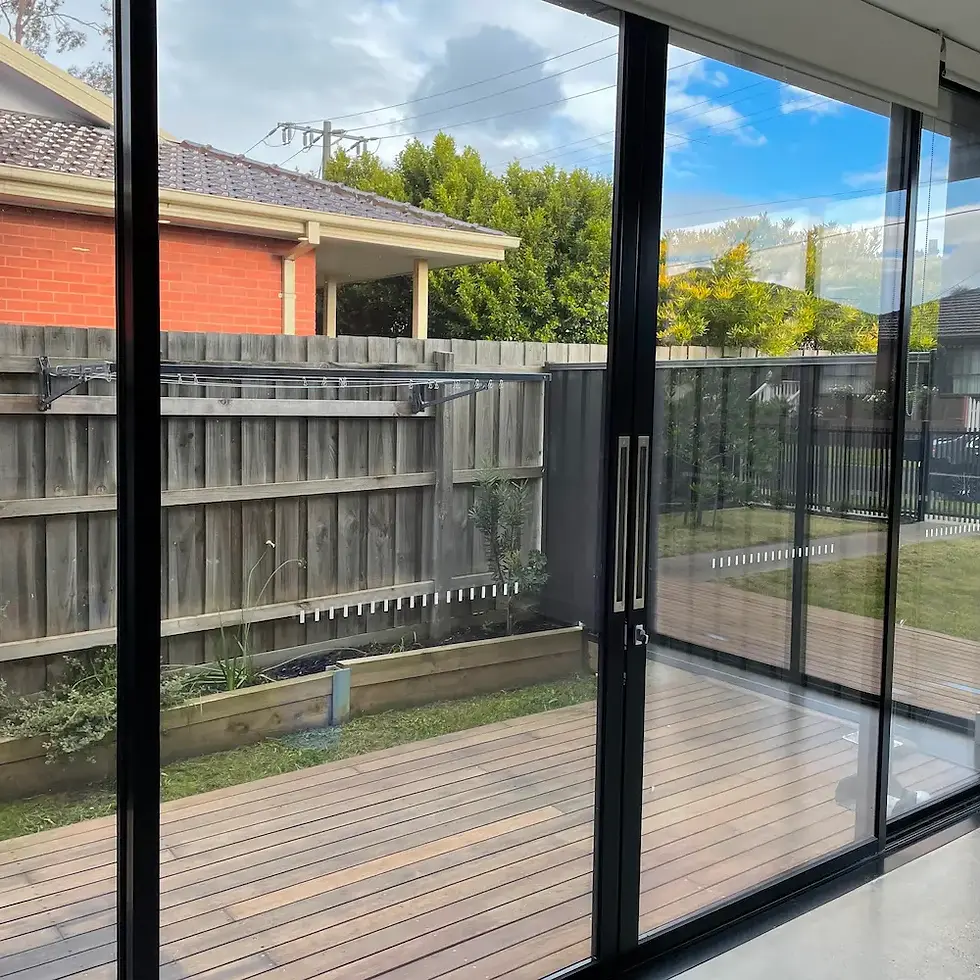
Coastal sliding door tracks collect damp, salt-laden sand that grinds down roller mechanisms over time. Our technicians execute precision dry-vacuum extraction along sills, tracks, and frames to restore smooth operation.
Step 4: Surface Salt Neutralisation
Hard surfaces, skirting boards, and window surrounds are detailed using pH-neutral, surfactant-rich solutions that break the ionic bond of salt film without stripping underlying paintwork or varnish

High-traffic carpeted hallways HEPA-vacuumed using motorised brush rolls to agitate subfloor silica.


4. Standard Spring Cleaning vs. Add-On Customisation
Understanding what is standard versus optional ensures total transparency when booking your service:
STANDARD INCLUSION: Complete HEPA-13 vacuum extraction across all carpets, rug perimeters, hard floor edging, and window sill/track dry-vacuuming is 100% included as standard in every Whole Detail Spring Clean.
OPTIONAL ADD-ON: Internal glass pane restoration and solar film polishing can be added as dedicated modules if your windows require intensive hand-polishing or hard-water stain removal.
Restore Your Coastal Home’s Indoor Environment
Eliminate abrasive sand, sticky salt deposits, and fine dust build-up in one complete service. Whole Detail provides exhaustive, fixed-rate deep cleans tailored to your property layout across Greater Melbourne, Geelong, Sunshine Coast, Brisbane, and the Gold Coast.
Explore our full inclusion packages and lock in your date on our primary Whole Detail Spring Cleaning Services Hub.
Standalone Add-On Modules: Combine specialised track cleaning, internal glass pane restoration, or oven detailing via our Additional Cleaning Services Hub.
Whole-Home Spring Cleaning SKUs: Select fixed-rate packages matched directly to your bedroom and bathroom counts, such as our 2 Bed 2 Bath Spring Cleaning, 3 Bed 2 Bath Spring Cleaning or 4 Bed 2 Bath Spring Cleaning options.
Transparent Fixed Rates: Calculate and book custom multi-level or coastal estate rates instantly on our Whole Detail Precision Pricing.
How often should coastal homes undergo deep HEPA extraction in beachside suburbs?
Homes located within 2km of the shoreline in areas like Albert Park, Elwood, Cheltenham or Mentone should receive a professional coastal home deep cleaning at least twice a year to extract abrasive silica sand from carpet backings and prevent salt-induced dampness..
Does salt air cause carpet fibres to break down faster?
Yes. Salt air absorbs atmospheric moisture (hygroscopic action), creating a sticky, damp environment in carpet fibres that attracts airborne dust. Combined with sharp beach sand grains, this accelerates fibre wear, fading, and localised mould growth.
Is HEPA-13 vacuuming and sand extraction an extra charge during a coastal home deep cleaning?
No. Industrial HEPA-13 vacuum extraction, carpet pile agitation, and window track/sill vacuuming are standard inclusions across every Whole Detail Spring Clean. We do not charge extra for standard coastal environmental extraction.


Comments