


Pantry & Cabinetry Cleaning: Food-Grade Sanitation & Surface Restoration
Updated: Sep 21
Kitchen cabinetry and food pantries represent high-touch, high-contamination zones in any home across Melbourne, Geelong, Sunshine Coast, Brisbane, and the Gold Coast. Over time, cabinet doors, drawer tracks, and pantry shelving accumulate a complex layer of atmospheric grease, food spillages, fine flour dust, and bacterial micro-contaminants.
Because these surfaces house cookware, cutlery, and unsealed food items, standard chemical cleaners cannot be used. Pantry and cabinetry cleaning requires a precise balance: powerful lipid-emulsifying chemistry to lift grease, paired with 100% non-toxic, food-grade sanitation protocols.
Here is how Whole Detail field technicians detail, degrease, and sanitise kitchen joinery without damaging delicate timber veneers, two-pack enamel finishes, or laminate hardware.
1. The Chemistry of Joinery Contamination
To execute professional pantry and cabinetry cleaning, we must break down the three primary layers of kitchen grime:
A. Vaporized Cooking Lipids (Aerosolised Grease)
During cooking, microscopic oil droplets vaporise and settle on upper cabinetry, rangehood surrounds, and pantry doors. As these lipids oxidise over weeks, they transform from a soft film into a sticky, polymerised resin that attracts floating airborne dust.
B. Substrate Spills & Organic Degradation
Pantry shelves frequently suffer from slow leaks of vinegar, honey, oils, and dry organic particulate build-up (grains, sugar, flour). Left uncleaned, these organic residues draw moisture, creating breeding grounds for pantry moths, ants, and bacterial film.
C. High-Touch Micro-Contamination
Cabinet handles, push-to-open latches, and drawer edges absorb human skin oils, transfer grease, and harbour pathogens—requiring targeted sanitisation during any comprehensive property reset.
2. Material-Safe Cleaning: Protecting Modern Joinery
Using harsh chemicals or excessive water during pantry and cabinetry cleaning will permanently destroy joinery materials:
Polyurethane & Two-Pack Enamel: Susceptible to micro-scratching if scrubbed with abrasive pads, and chemical dulling if exposed to solvent-heavy cleaners.
Natural Timber Veneers: Highly moisture-sensitive. Excess water causes timber veneer edging to lift, swell, or discolor.
Laminate & Vinyl Wrap: Strong acidic or alkaline agents dissolve the edge-banding adhesives, leading to permanent lamination peeling.
3. The Whole Detail Pantry & Cabinetry Cleaning, Detailing & Sanitation Protocol
At Whole Detail, detailed wiping of all exterior cabinetry, rangehood housing, and handles is a standard inclusion across every Spring Cleaning layout SKU. Internal cabinet and deep pantry detailing modules can be seamlessly added for complete kitchen overhauls.
Step 1: Food-Safe Lipid EmulsificationSoft-close drawer tracks, European door hinges, and handle recesses accumulate dense dust mixed with kitchen oil. Technicians use micro-detail brushes to extract grime from these mechanical joints
Step 2: Detail Cleaning of Hardware & Hinges
Soft-close drawer tracks, European door hinges, and handle recesses accumulate dense dust mixed with kitchen oil. Technicians use micro-detail brushes to extract grime from these mechanical joints.
Step 3: Perimeter & Lip Wiping
Shelves and drawer edges are wiped using color-coded, ultra-fine microfiber cloths. Damp-wiping protocols ensure zero liquid runoff penetrates joinery seams or swelling-prone MDF cores.
Step 4: Non-Toxic Surface Conditioning
Outer cabinet faces are polished dry using streak-free microfiber techniques, leaving high-gloss or matte cabinetry completely fingerprint-free and conditioned.

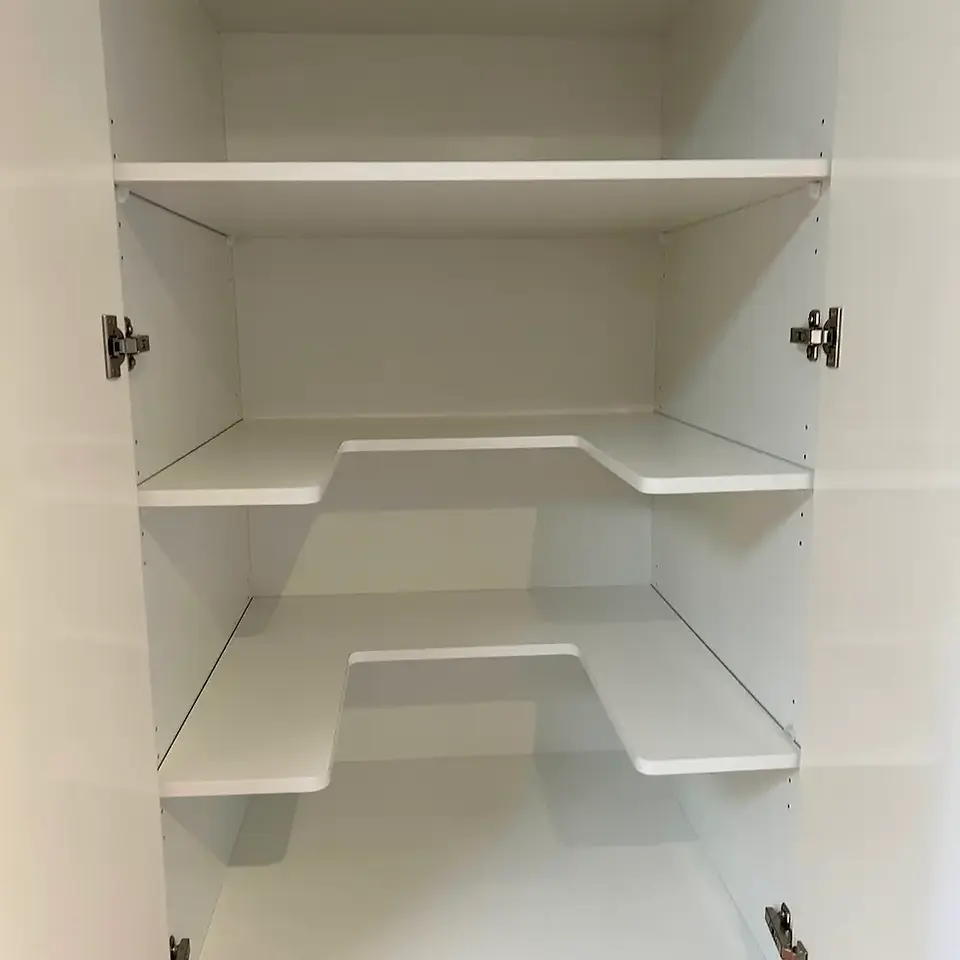
Under-sink cabinetry and pipework cleared of grime and moisture-bound dust buildup.


4. Standard Scope vs. Add-On Customisation
Knowing what is standard versus optional ensures total clarity when booking your service:
STANDARD INCLUSION: Exterior wiping of all kitchen cabinetry, drawer fronts, handles, rangehood exteriors, and bench-top perimeters is 100% included as standard across every Whole Detail Spring Clean.
OPTIONAL ADD-ON: Deep interior cabinet cleaning (emptying, vacuuming, and food-grade interior sanitising of empty cupboards/pantries) can be added as a dedicated module via our Additional Services Hub.
Restore Your Kitchen’s Hygiene Standards
Eliminate sticky cabinet grease, handle grime, and shelf residue in one complete service. Whole Detail provides fixed-rate pantry and cabinetry cleaning for residences across Cheltenham, Sandringham, Hampton, Port Melbourne, Brighton, St Kilda, Burleigh Heads, and Surfers Paradise.
Explore our complete inclusion packages and lock in your service via our main Whole Detail Spring Cleaning Services.
Selected Layout SKUs: Need fixed-rate pricing for your property layout? View our inclusions for 2 Bed 1 Bath Spring Cleaning, 3 Bed 2 Bath Spring Cleaning, 4 Bed 2 Bath Spring Cleaning, or expansive 5 Bed 3 Bath Spring Cleaning configurations.
Targeted Kitchen Appliance Modules: Elevate your kitchen reset by pairing pantry detailing with dedicated appliance modules:
Deep degreasing via our Oven Cleaning Service Page
Food-safe interior sanitisation on our Fridge Cleaning Service Page
Heavy canopy grease extraction via our Rangehood Cleaning Module
Carbon removal on our Stovetop Cleaning Service Page
Standalone Add-On Modules: Combine internal cabinet detailing, oven carbon removal, or fridge sanitisation through our Additional Cleaning Services Hub.
Instant Fixed-Rate Estimator: Calculate custom property layout pricing instantly via the Whole Detail Precision Pricing.
Are the cleaning agents used inside pantries safe for food storage areas?
Yes. Whole Detail utilises 100% food-safe, non-toxic, pH-neutral cleaning formulations inside pantry and kitchen storage zones. Our products leave zero harmful chemical residues, fumes, or synthetic fragrances near food items or cookware.
Is interior cabinet cleaning included in a standard Spring Clean?
Exterior cabinet wiping, handle sanitising, and rangehood detailing are standard in every Spring Clean. Full interior cupboard and pantry detailing (cleaning inside empty shelves and drawers) is available as an optional add-on module for empty homes or pre-organised pantries.


Comments